
Climate Change & Livelihood
Strengthening sustainable livelihoods, food security and economic resilience among Indigenous communities in Ukhrul and Kamjong.
VVD works with women, small farmers, landless households and economically vulnerable families to develop practical, culturally appropriate and environmentally sustainable livelihood opportunities.
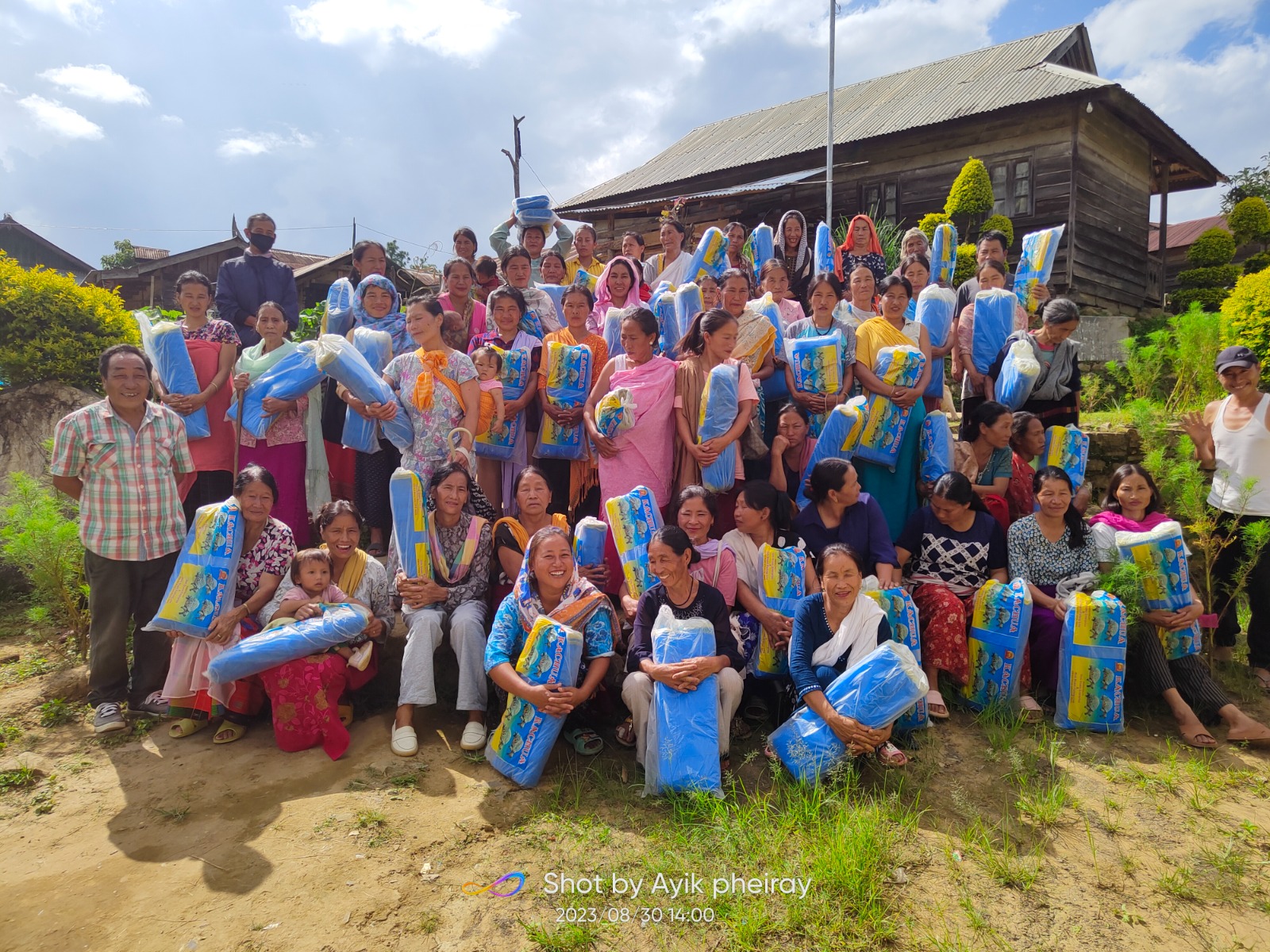
Contributing to a More Sustainable Future.
The Climate Change & Livelihood programme aligns with and contributes to the following Sustainable Development Goals.

Building Livelihoods That Can Withstand Change.
VVD promotes sustainable livelihood opportunities to improve household income, food security and economic resilience among Indigenous communities in Ukhrul and Kamjong districts of Manipur.
The programme combines practical livelihood activities with training, technical guidance, input support and institution building. Its approach is designed around local realities, traditional knowledge and the fragile hill ecosystems of the region.
By diversifying sources of income and strengthening climate-resilient agriculture, communities are better equipped to respond to economic and environmental challenges.
Livelihoods in a Changing Climate.
Rural livelihoods in the hill regions are closely connected to land, water, agriculture and natural resources. Climate variability and environmental pressures can directly affect household income and food security.
Household Income
Diversified livelihood opportunities help families build additional and more resilient sources of income.
Food Security
Agriculture, kitchen gardens and locally suitable crops improve access to food at household level.
Climate Resilience
Climate-smart practices help communities respond to changing rainfall, soil erosion, drought and water shortages.
Local Sustainability
Interventions build on local skills, Indigenous knowledge and environmentally appropriate practices.
From Local Potential to Sustainable Livelihoods.
VVD follows a participatory and facilitative approach that combines community ownership, Indigenous knowledge, capacity building and ecological sustainability.
Understand
Identify local needs, resources, challenges and livelihood opportunities.
Build Skills
Provide practical training, technical guidance and capacity building.
Enable Action
Support households with appropriate inputs and livelihood interventions.
Strengthen Systems
Build community institutions and strengthen local support mechanisms.
Build Resilience
Promote practices that strengthen long-term economic and climate resilience.
Multiple Pathways to Stronger Livelihoods.
VVD supports a range of livelihood activities selected for their local relevance, income potential and long-term sustainability.
 01
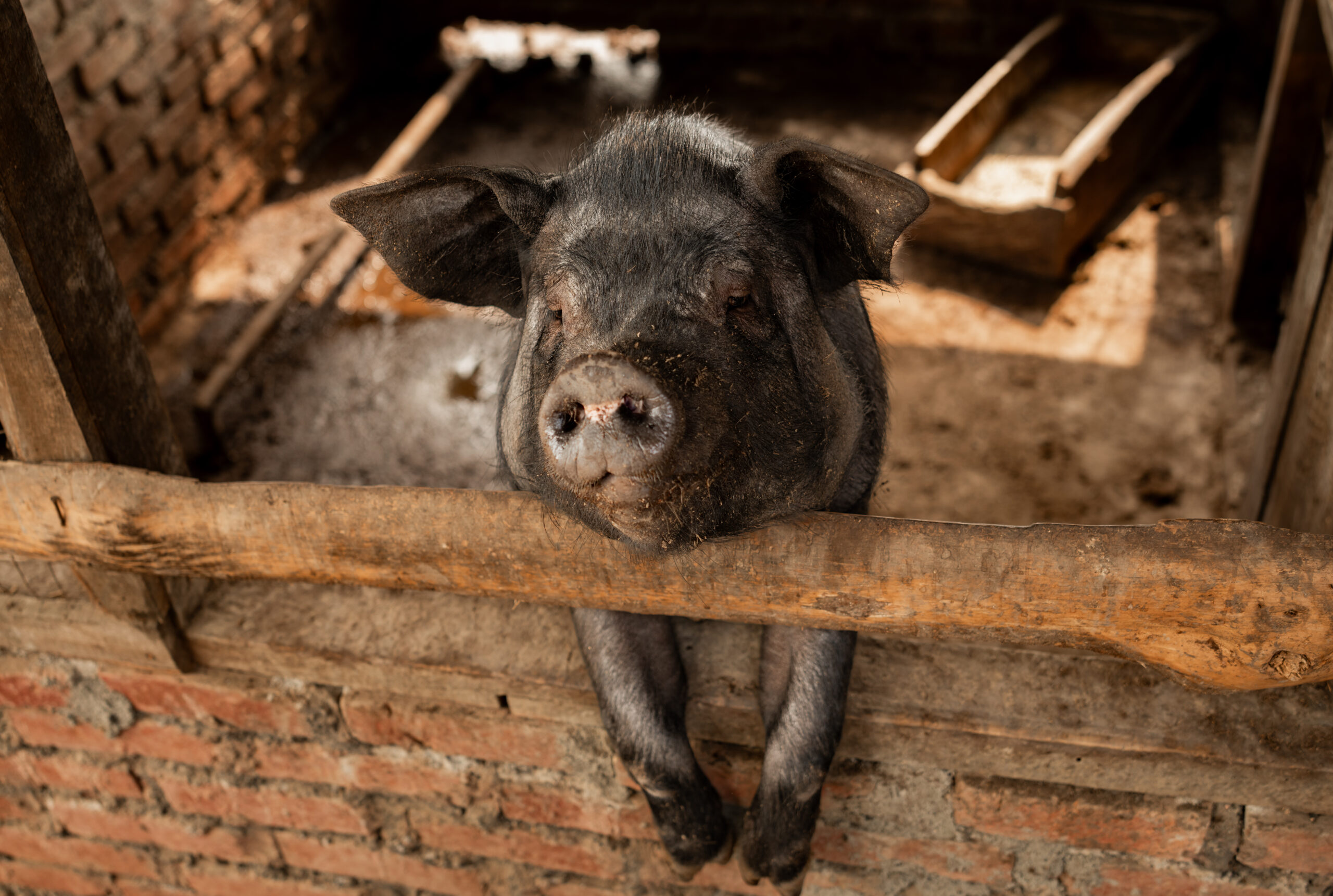
Piggery Development
Pig rearing is a major livelihood activity among Indigenous communities and an important source of household income, nutrition and social security.
VVD provides training in scientific pig management, animal health care, housing management, feed practices and revolving fund mechanisms.
 02
Beekeeping
Beekeeping supports farmers and women groups through training, bee boxes, protective equipment and technical guidance on honey production and colony management.
Along with additional household income, beekeeping contributes to pollination and biodiversity conservation.
 03
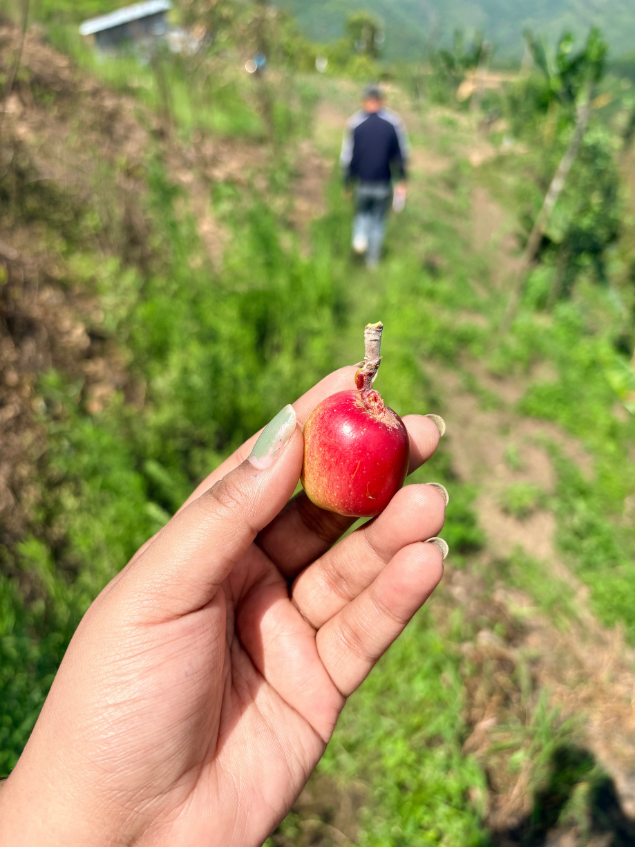
Orchard Development
Fruit tree plantation and orchard development provide long-term livelihood security while supporting environmental sustainability.
Communities are encouraged to cultivate suitable fruit-bearing trees adapted to local agro-climatic conditions.
 04
Kitchen Gardens
Kitchen gardens improve household nutrition, food security and dietary diversity through seasonal vegetables and locally suitable crops.
Families are encouraged to use organic and low-cost farming methods, improving access to nutritious food particularly for women and children.
 05
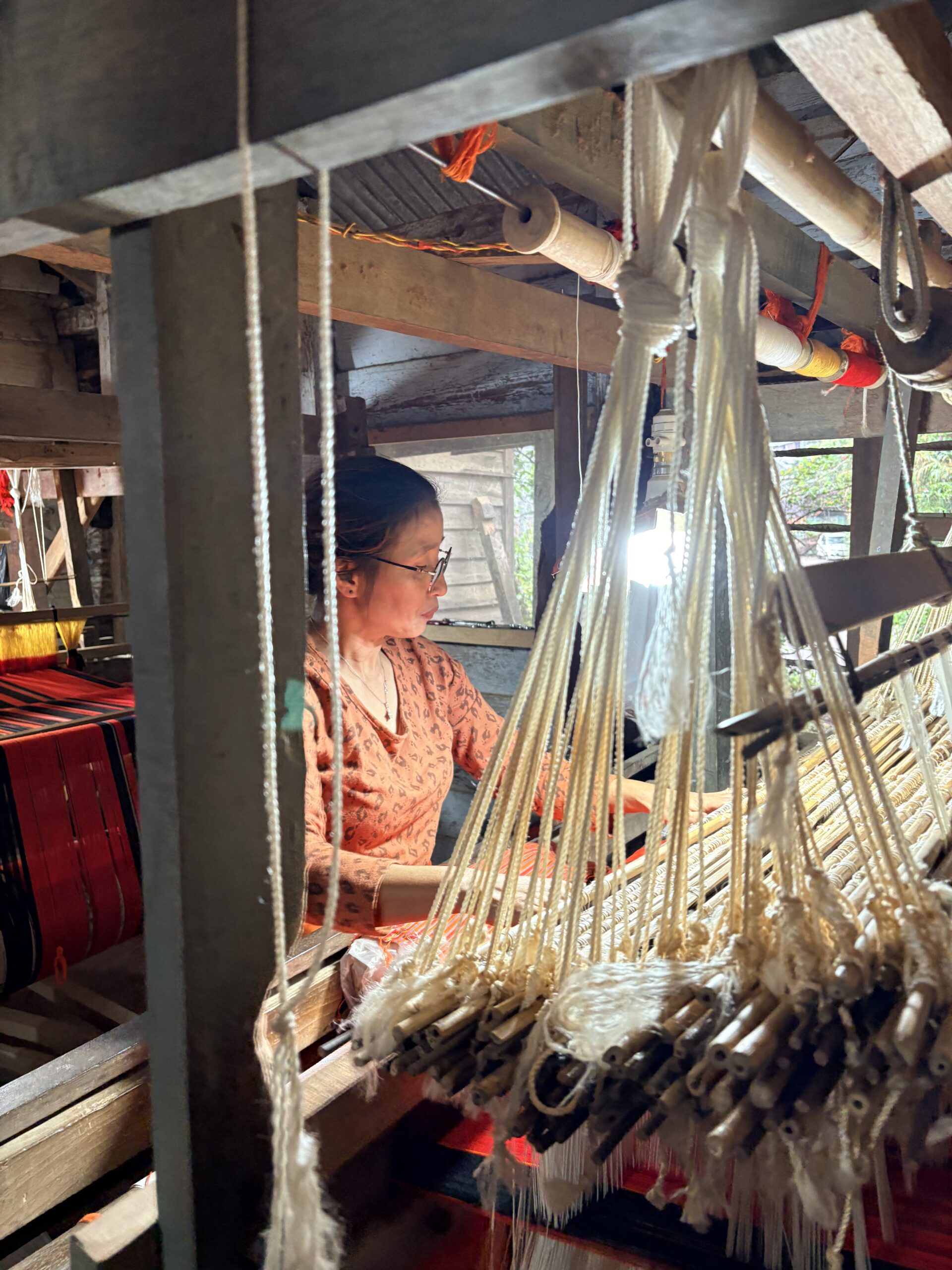
Weaving & Handicrafts
Traditional weaving and handicrafts are supported as income-generating opportunities, particularly for women.
Training, skill enhancement and production support help strengthen traditional livelihoods and promote economic participation.
 06
Climate-Smart Agriculture
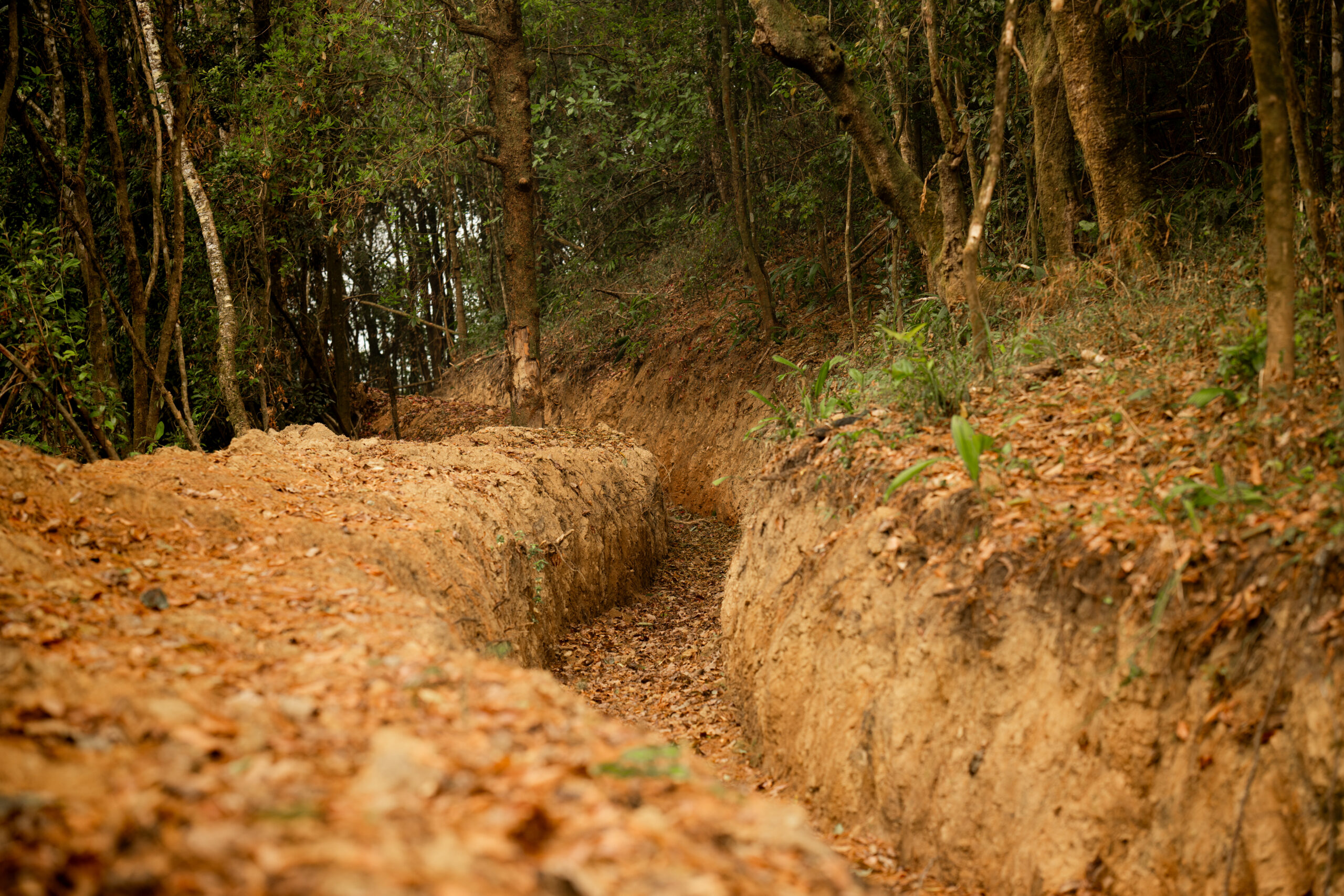
Climate-Smart Agriculture responds to climate change, land degradation, water scarcity and declining agricultural productivity.
Farmers are supported to adopt sustainable agricultural practices that improve productivity while conserving natural resources.
Protecting Land. Securing Water. Supporting Farmers.
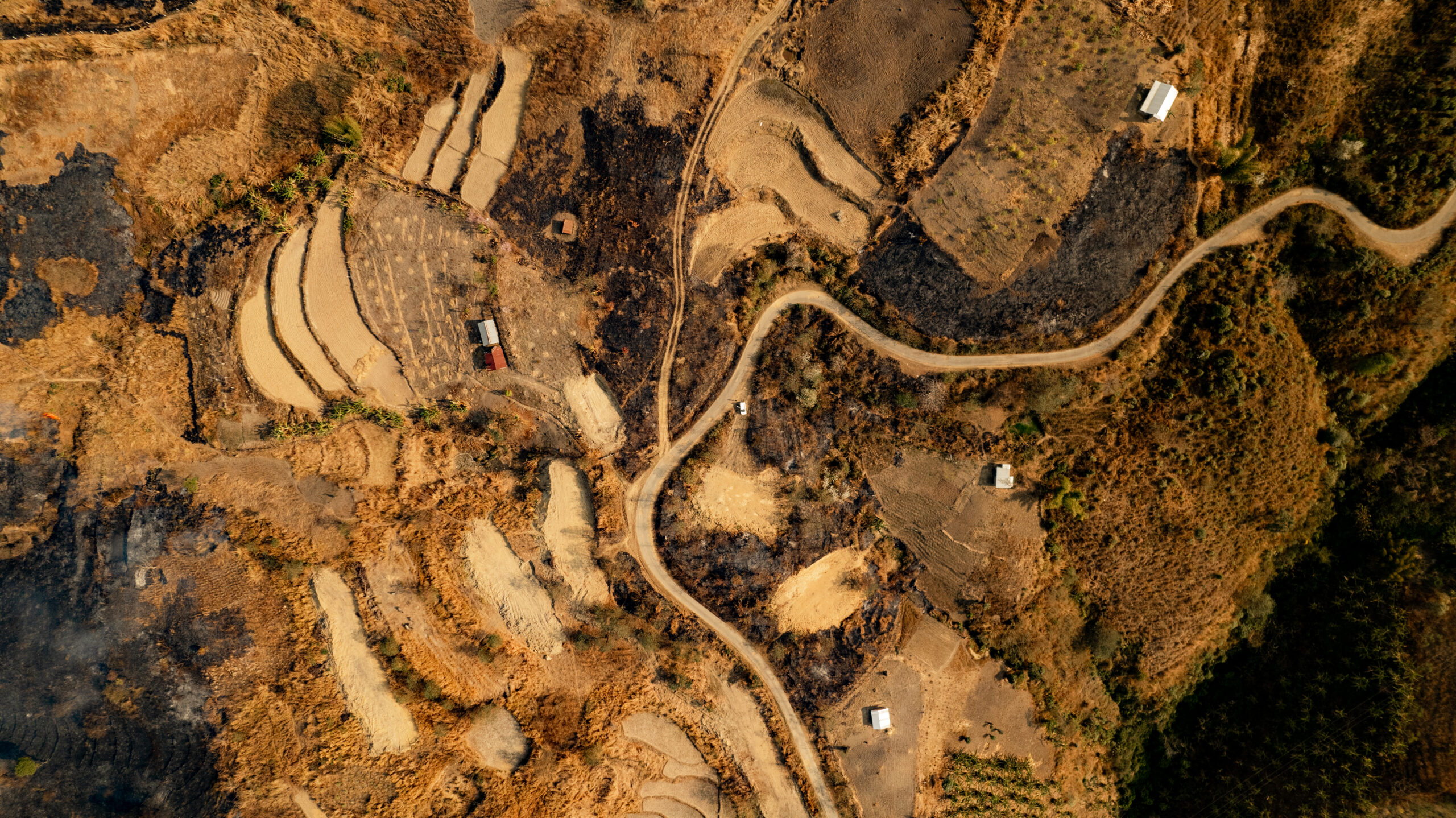
Agriculture in Ukhrul and Kamjong is largely dependent on rainfall and vulnerable to erratic weather patterns, soil erosion, drought and water shortages.
VVD works with farming communities to introduce practical and locally adaptable solutions that improve land productivity, water management and environmental sustainability.
- Bench terracing and contour bunding
- Soil conservation measures
- Improved water retention
- Sloping agricultural land development
- Minor irrigation systems
- Farm ponds and check dams
Livelihoods Strengthened. Resilience Built.
Programme results reflect VVD's work across diversified livelihoods, agriculture, food security and climate resilience.
Families strengthened their livelihoods through diversified income-generating activities.
Families enhanced household earnings through piggery-based livelihood interventions.
Families adopted beekeeping, creating sustainable income opportunities while supporting local biodiversity.
Families established kitchen gardens, improving household nutrition and food security.
Families benefited from orchard farming initiatives, generating long-term and climate-resilient income sources.
Families improved their livelihoods through cattle-rearing interventions.
Families established fishery-based enterprises, creating additional income streams.
Families reached through Climate-Smart Agriculture and irrigation interventions.
Partnerships That Enable Action.
Community Capacitation for Livelihood, Natural Resource Management, and Women Empowerment
An integrated community development initiative connecting sustainable livelihoods, natural resource management and women's empowerment.
Enabling Self Help Initiation through Identified Livelihood Activities and Increasing Water Security
Supporting locally appropriate livelihood opportunities while strengthening water security and community resilience.
Springshed Based Watershed Development Project
Strengthening water security and natural resource resilience through springshed and watershed-based development.
Help Communities Build Sustainable Livelihoods.
Partner with VVD to strengthen community-led livelihoods, climate resilience and sustainable development across Ukhrul and Kamjong.