Strong Local Self Governance
Strengthening Indigenous institutions, participatory decision-making and community ownership for inclusive, accountable and self-reliant villages.
VVD works with Village Authorities, women, youth, Churches and other community institutions to strengthen local leadership, transparent governance and meaningful participation in community development.
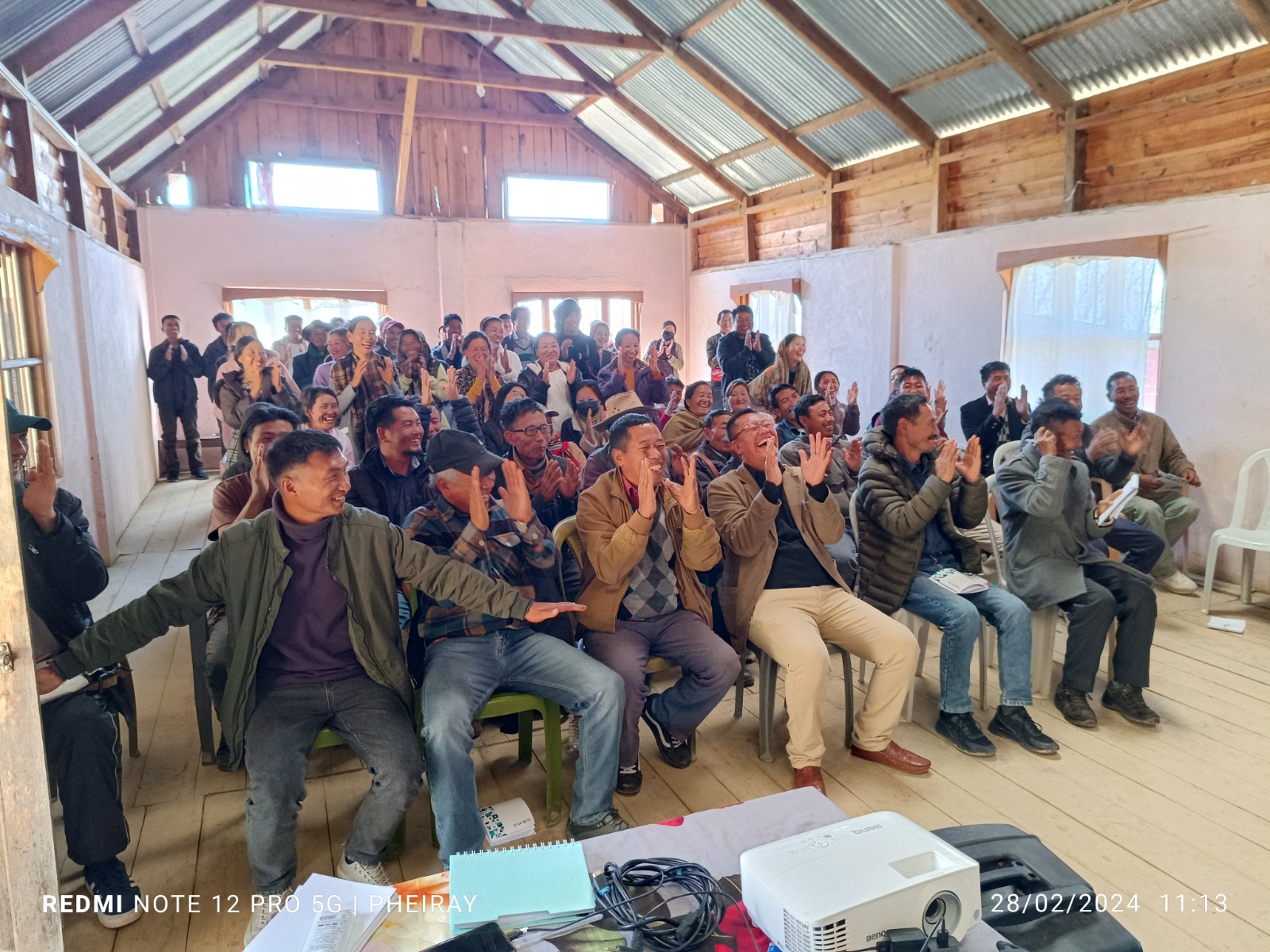
Local Governance for Sustainable Development.
The programme aligns with and contributes to the following Sustainable Development Goals.
Local Leadership. Community Ownership.
Volunteers for Village Development (VVD) strengthens local self governance by supporting Indigenous communities to enhance leadership, participatory decision-making and community ownership of development processes.
The programme works with Village Authorities, women, youth and Churches to promote transparent, inclusive and accountable governance.
VVD also strengthens the capacity of local institutions in planning, financial management, record keeping, natural-resource governance and community development.
Strong Institutions Build Strong Communities.
Sustainable development becomes stronger when communities participate in decisions, local institutions are accountable and people take ownership of their development priorities.
Local Leadership
Building the capacity of community leaders and local institutions to plan and manage village development.
Participation
Creating space for community members, women and youth to participate meaningfully in local decision-making.
Accountability
Strengthening planning, record keeping and financial-management practices within community institutions.
Community Ownership
Supporting communities to take collective responsibility for their institutions, resources and development priorities.

Building Capacity for Better Governance.
Through trainings, workshops and community dialogues, VVD builds the capacity of local institutions to plan, manage and lead community-development processes.
Governance Built With Communities.
VVD works with existing Indigenous institutions and diverse community stakeholders rather than creating governance structures disconnected from local systems.
Village Authorities
Strengthening leadership, planning and community-level governance systems.
Women
Supporting inclusive participation and representation in community processes.
Youth
Encouraging younger community members to participate in local development.
Churches
Engaging important community institutions in dialogue and collective action.
Participation to Community Ownership.
VVD uses a participatory and facilitative approach that respects Indigenous governance systems while strengthening local capacity, inclusion and accountability.
Engage
Bring community stakeholders together through dialogue and consultation.
Build Capacity
Strengthen leadership, planning, management and institutional skills.
Participate
Enable inclusive community participation in local decision-making.
Build Consensus
Facilitate dialogue and community agreement around shared priorities.
Take Ownership
Strengthen local responsibility for institutions, resources and development.
Strengthening Governance From Within.
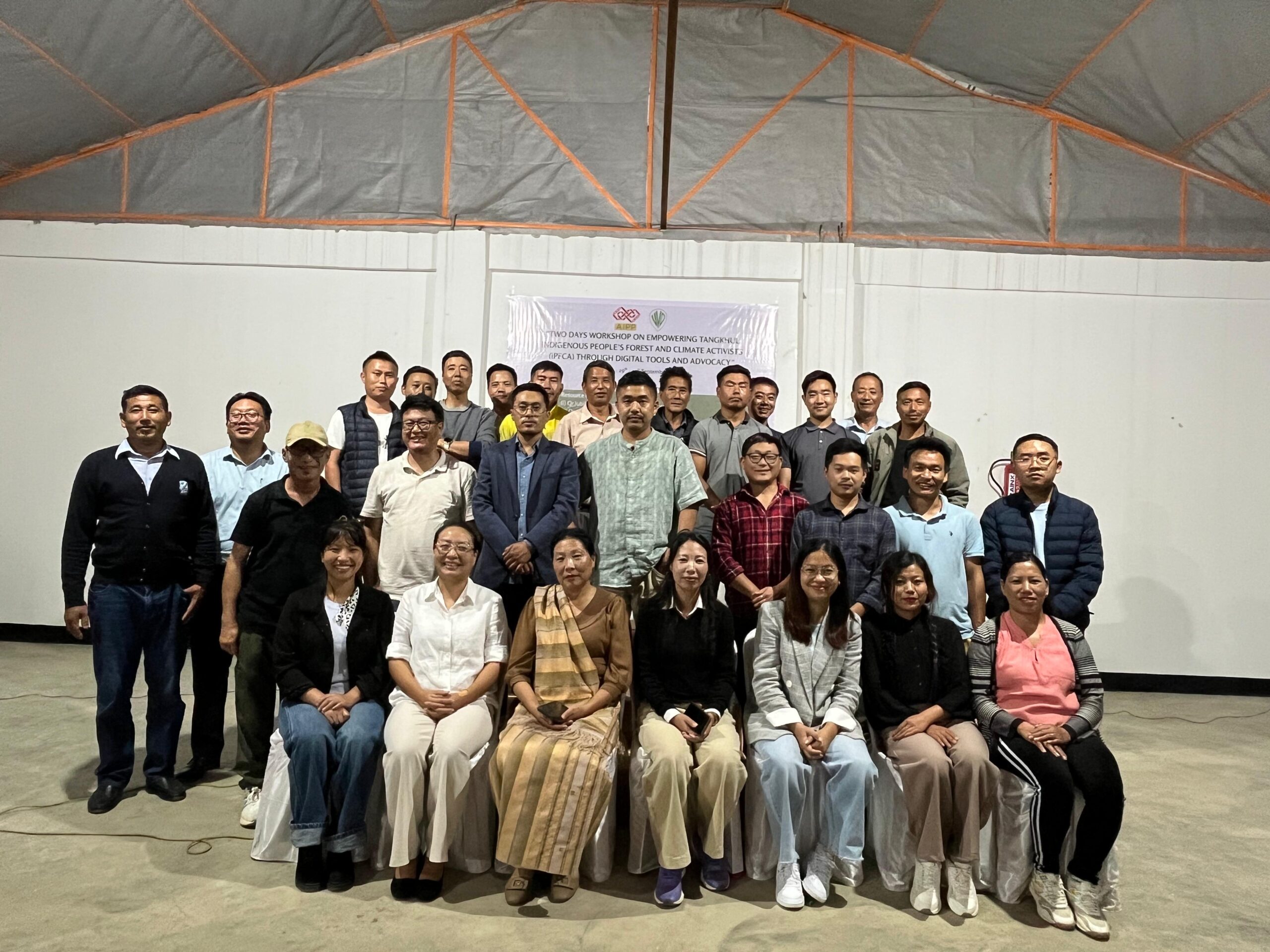
VVD combines institutional capacity building, participatory governance, community protocols, resource governance and dialogue to strengthen local self governance.
 01
Local Leadership
Trainings, workshops and dialogues strengthen the capacity of local leaders and institutions.
The focus includes planning, financial management, record keeping and community development.
 02
Participatory Governance
VVD promotes inclusive decision-making and meaningful participation in community-development processes.
Community consultations provide space for stakeholders to discuss, review and shape decisions collectively.
 03
Village Protocols & Regulations
VVD facilitates the development of community protocols and village-level regulations.
These support sustainable management of forests, water resources and community lands.
 04
Traditional Institutions
Indigenous governance systems, traditional knowledge and community institutions remain central to VVD's governance approach.
Local knowledge is respected while communities strengthen transparent and inclusive processes.
 05
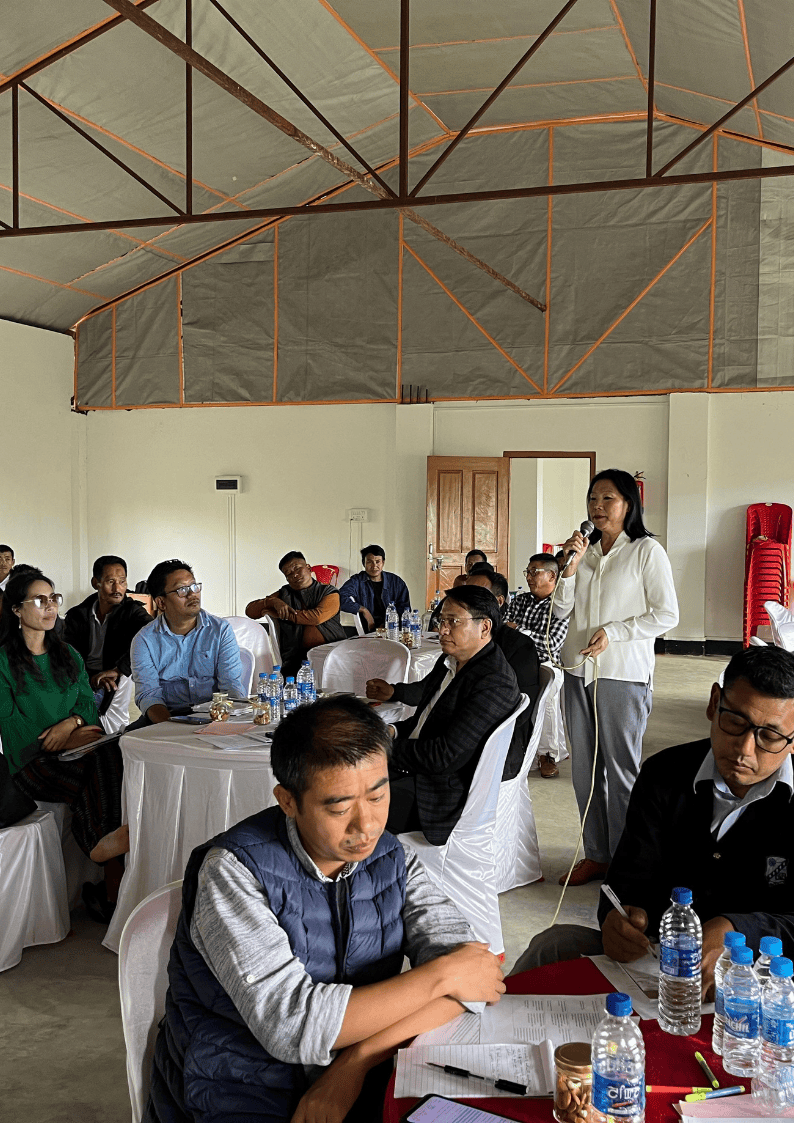
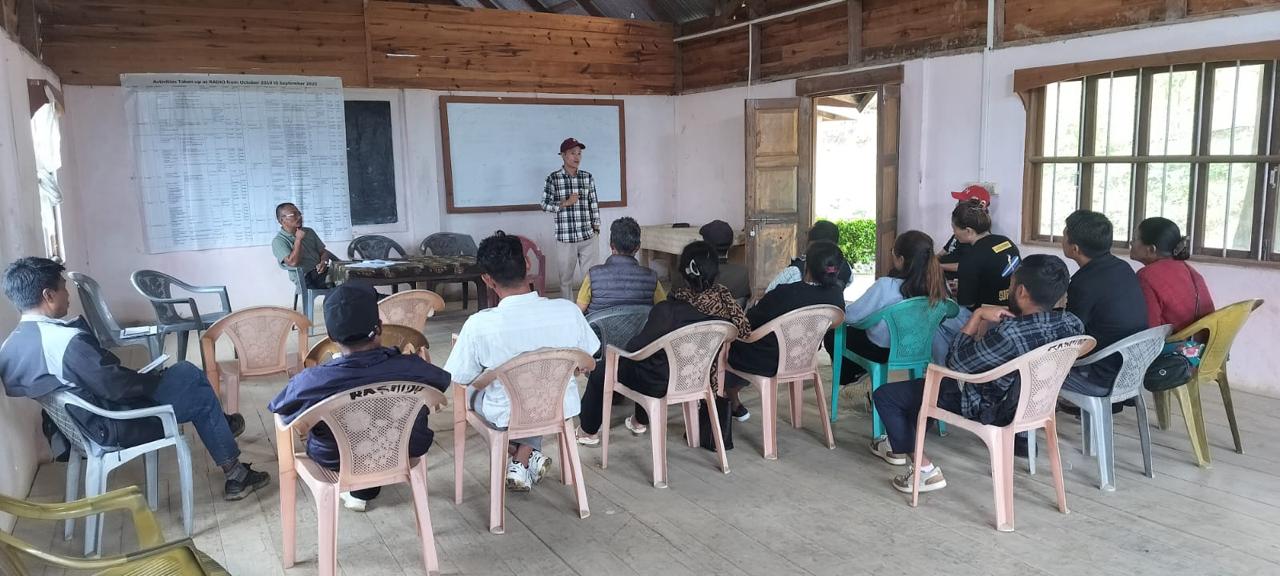
Community Consultation
Open community consultations enable stakeholders to participate in validation and decision-making.
Once consensus is reached, agreements can be formally endorsed by village leaders and community representatives.
 06
Inter-Village Dialogue
VVD facilitates community-led processes around territorial and boundary-related issues.
The emphasis is on dialogue, evidence, consensus and peaceful coexistence between neighbouring villages.
Finding What Is Right, Not Who Is Right.
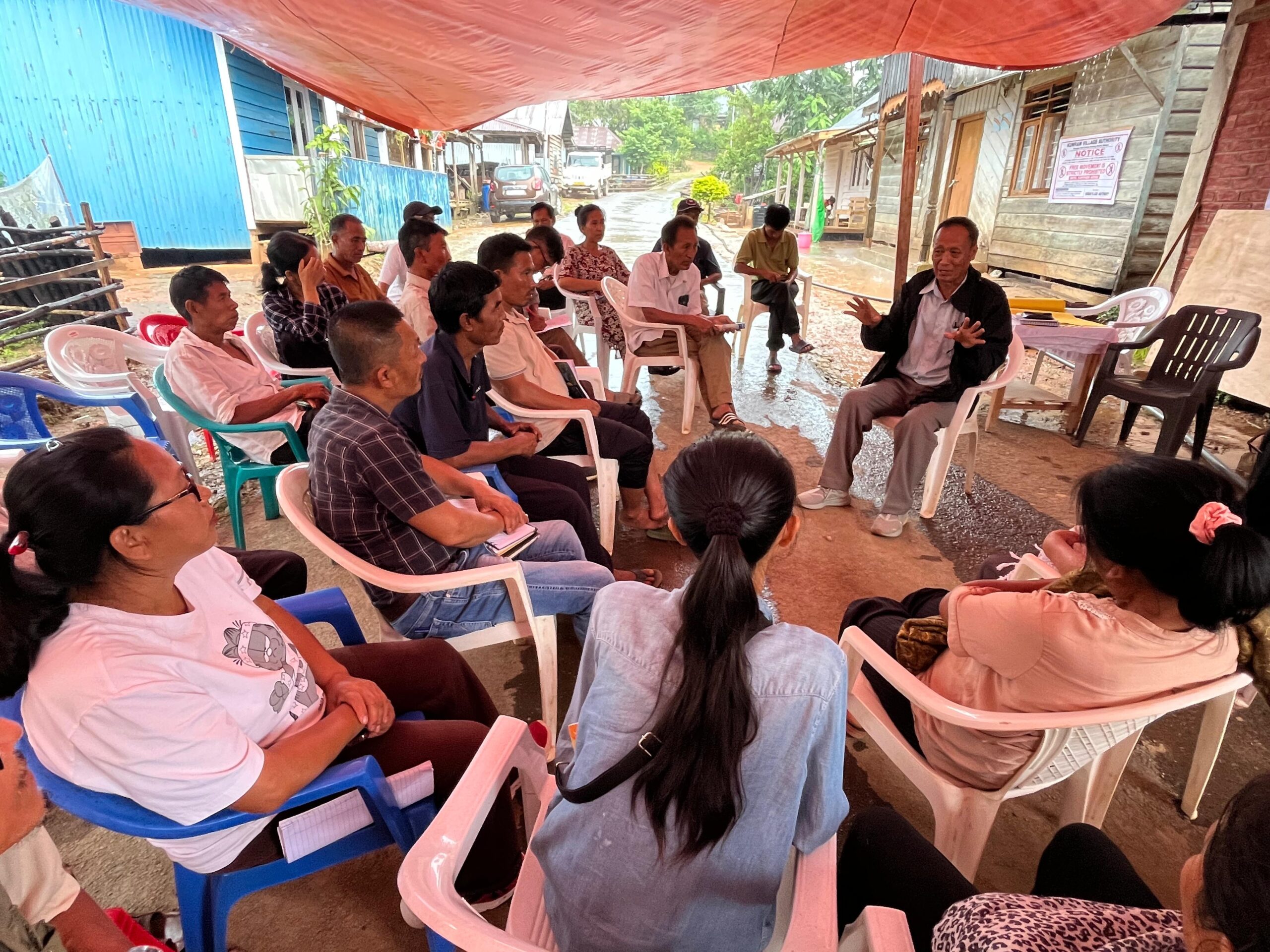
To promote harmonious inter-village relationships, VVD facilitates community-led processes for addressing territorial and boundary-related issues.
Rather than acting as a mediator, VVD serves as a facilitator, encouraging communities to focus on what is right rather than who is right.
“What is right rather than who is right.”
Combining Traditional Knowledge With Modern Tools.
Traditional knowledge, oral histories and customary landmarks are jointly documented and mapped using GPS technology.
Maps are reviewed through open community consultations, allowing stakeholders to participate in the validation process.
Participation Strengthened. Ownership Deepened.
VVD's governance work strengthens local institutions while supporting communities to manage development priorities and natural resources collectively.
Villages
Community-led governance systems strengthened across 42 villages, promoting participatory decision-making and local ownership of development initiatives.
Regulations
Village regulations facilitated for sustainable natural-resource management, including conservation of water, soil and wildlife.
Partner Villages
Community-driven natural-resource conservation and environmental protection measures implemented across all 42 partner villages.
Villages Reached
Awareness campaigns conducted against chemical fertilisers, pesticides and weedicides while promoting sustainable and eco-friendly agricultural practices.
Inclusive. Strong. Self-Reliant Communities.
Through this programme, VVD aims to build strong, inclusive and self-reliant communities capable of managing their resources, institutions and development priorities sustainably.
Strengthen Communities. Strengthen Local Governance.
Partner with VVD to strengthen local institutions, community leadership, participatory governance and sustainable community development.