
Natural Resource Management
Protecting water, forests, land and biodiversity through community-led conservation and sustainable natural resource management.
VVD works with Indigenous communities in the hill ecosystems of Ukhrul and Kamjong to conserve, restore and sustainably manage the natural resources that are central to local livelihoods, culture and identity.
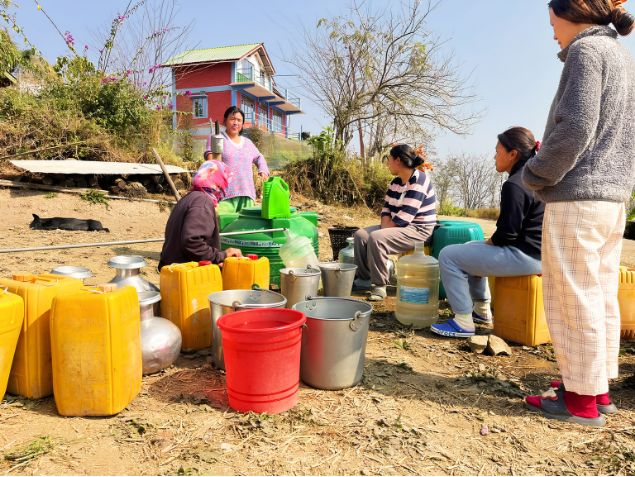
Conserving Natural Resources for a Sustainable Future.
The Natural Resource Management programme aligns with and contributes to the following Sustainable Development Goals.
Conserving Nature. Strengthening Communities.
VVD promotes sustainable management, conservation and restoration of natural resources across Ukhrul and Kamjong districts of Manipur.
The programme recognises that land, forests, water and biodiversity are deeply connected to the livelihoods, culture and identity of Indigenous communities.
Through community participation, springshed development, water conservation, tree plantation, resource mapping and locally developed regulations, VVD strengthens community stewardship and ecological resilience.
Healthy Ecosystems Support Healthy Communities.
Rural communities depend directly on forests, springs, agricultural land and biodiversity. Protecting these resources strengthens water security, livelihoods and long-term climate resilience.
Water Security
Protecting springs and improving water conservation strengthens access to water for communities and local livelihoods.
Forest Conservation
Community-led protection helps conserve forests, biodiversity and important ecological resources.
Land Restoration
Plantation and conservation measures help restore degraded landscapes and reduce environmental pressure.
Climate Resilience
Sustainable resource management helps communities respond to changing climate and environmental conditions.
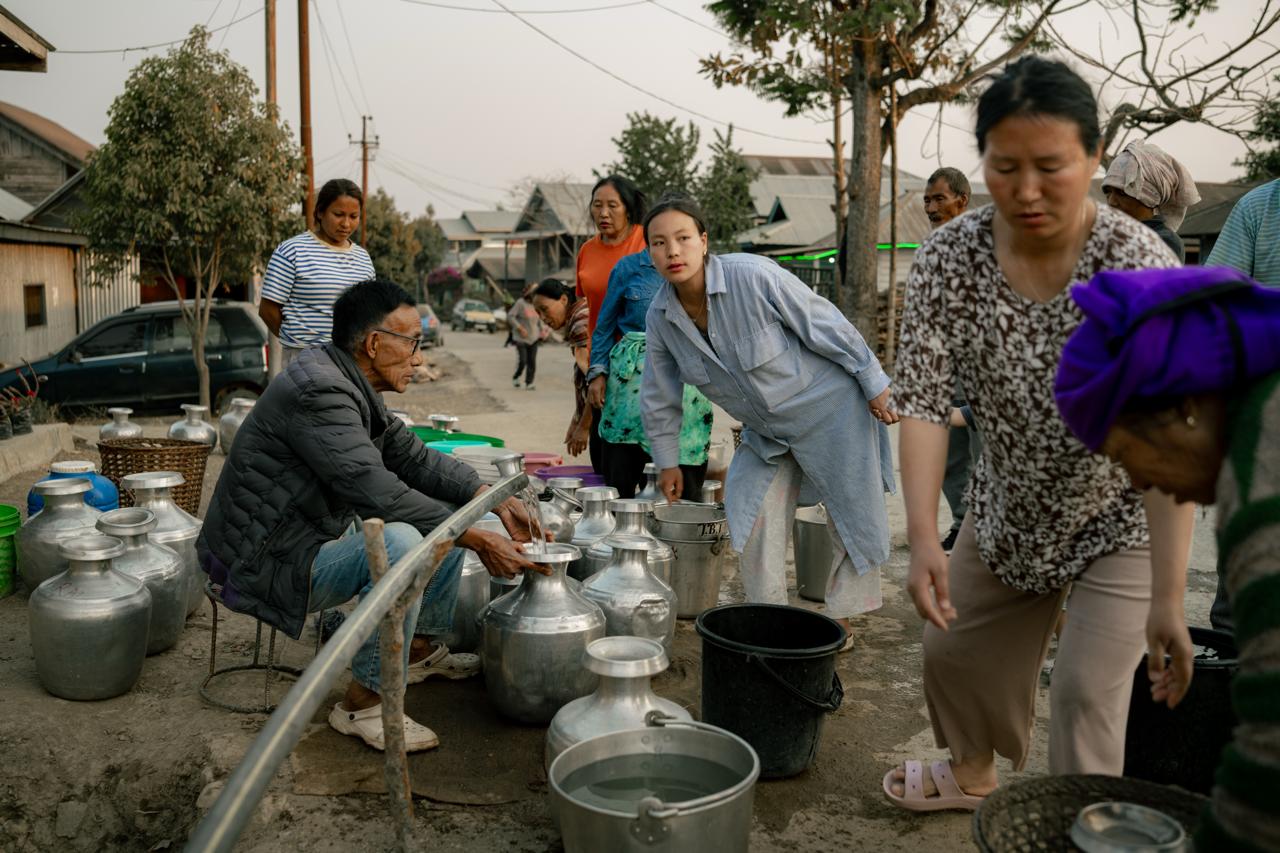

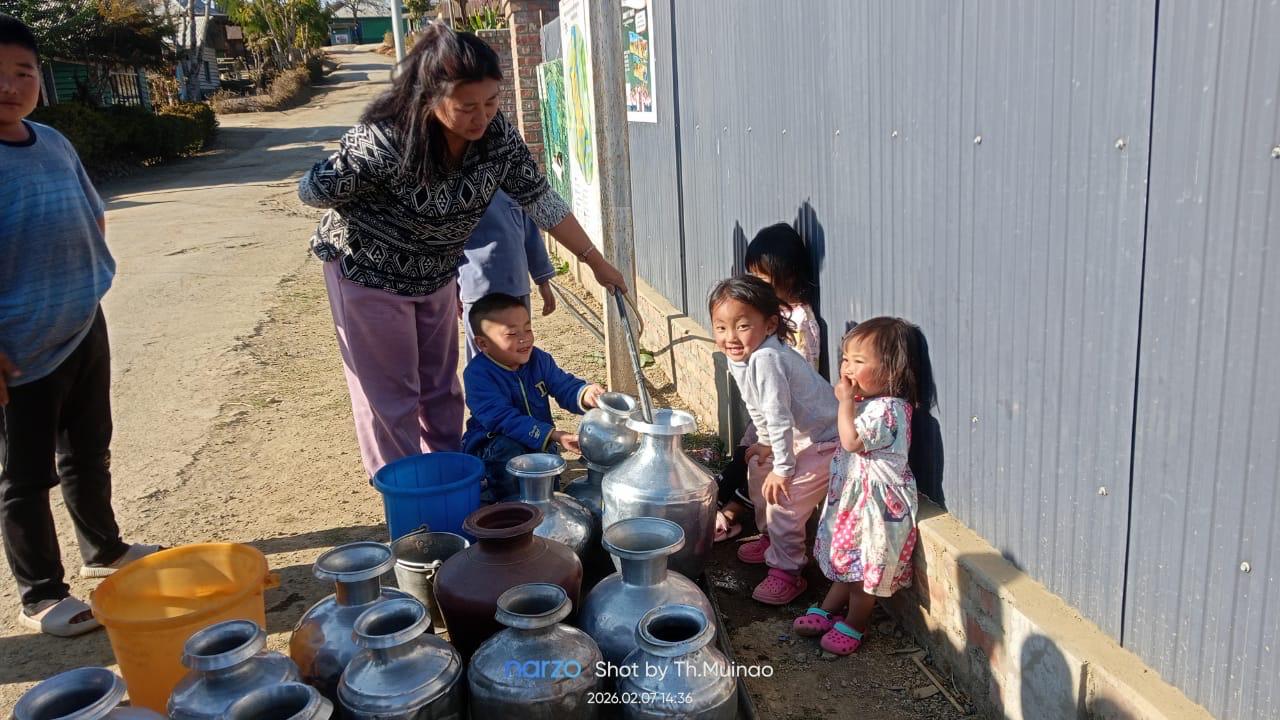
Rejuvenating Springs. Securing Water.
Springshed Development is a key intervention under VVD's Natural Resource Management programme.
The approach focuses on rejuvenating and protecting water sources through recharge measures, plantation activities and community-based water management.
VVD works closely with local communities to conserve water recharge areas and ensure sustainable access to water for drinking and agriculture.
Conservation Through Community Ownership.
VVD's approach combines local knowledge, participatory planning, technical support and community-led governance to strengthen the sustainable management of natural resources.
Understand
Identify local resources, ecological challenges and community priorities.
Map
Use participatory methods and GPS technology to understand natural resource systems.
Plan
Develop community-led plans, protocols and conservation measures.
Restore
Rejuvenate water sources, restore land and undertake plantation activities.
Sustain
Strengthen community ownership and local mechanisms for long-term management.
Protecting Resources. Restoring Ecosystems.
VVD combines water conservation, forest restoration, community governance and resource mapping to create sustainable natural-resource management systems.
 01
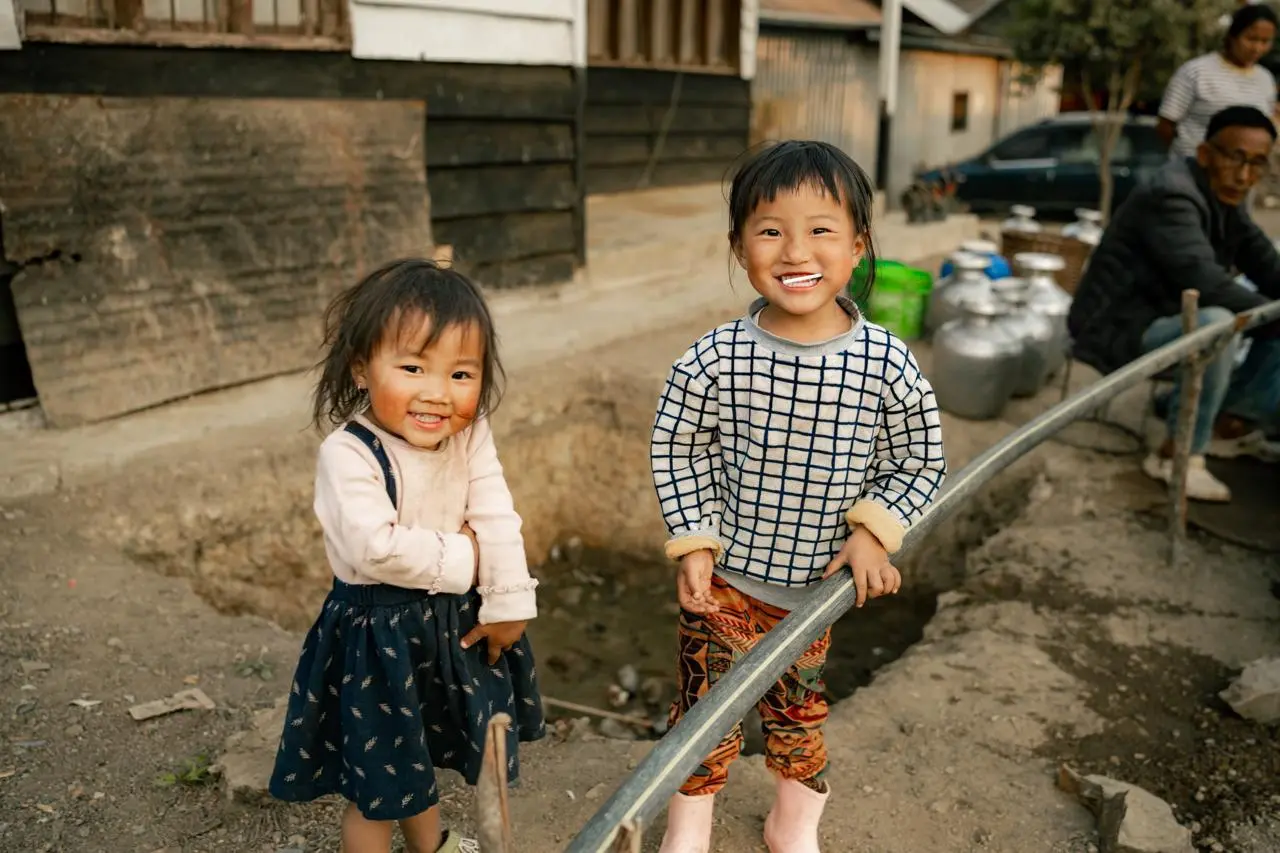
Springshed Development
Rejuvenating and protecting springs through recharge measures, plantation and community-based water management.
These interventions improve water availability while strengthening local ecosystems and livelihoods.
 02
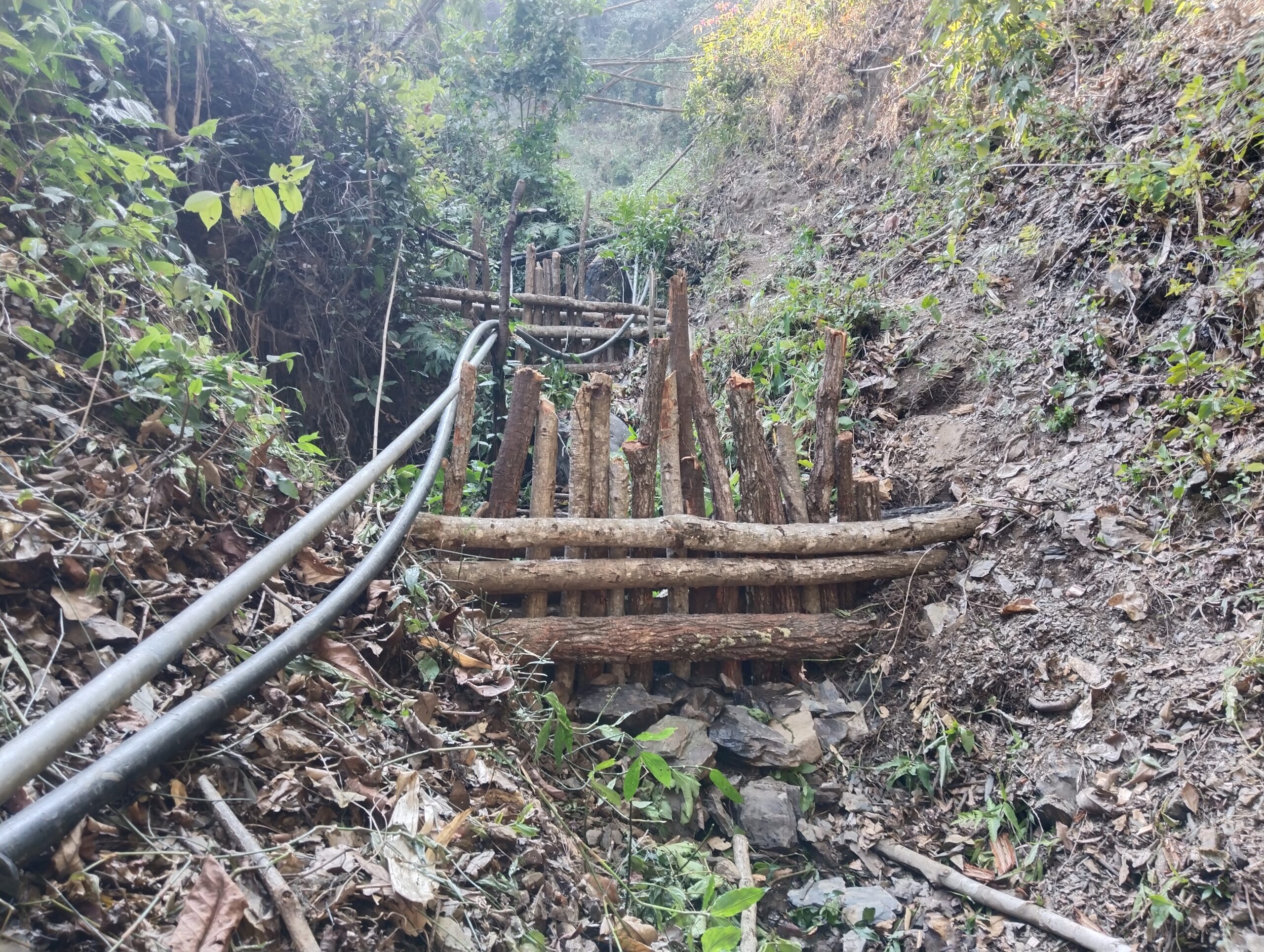
Water Conservation
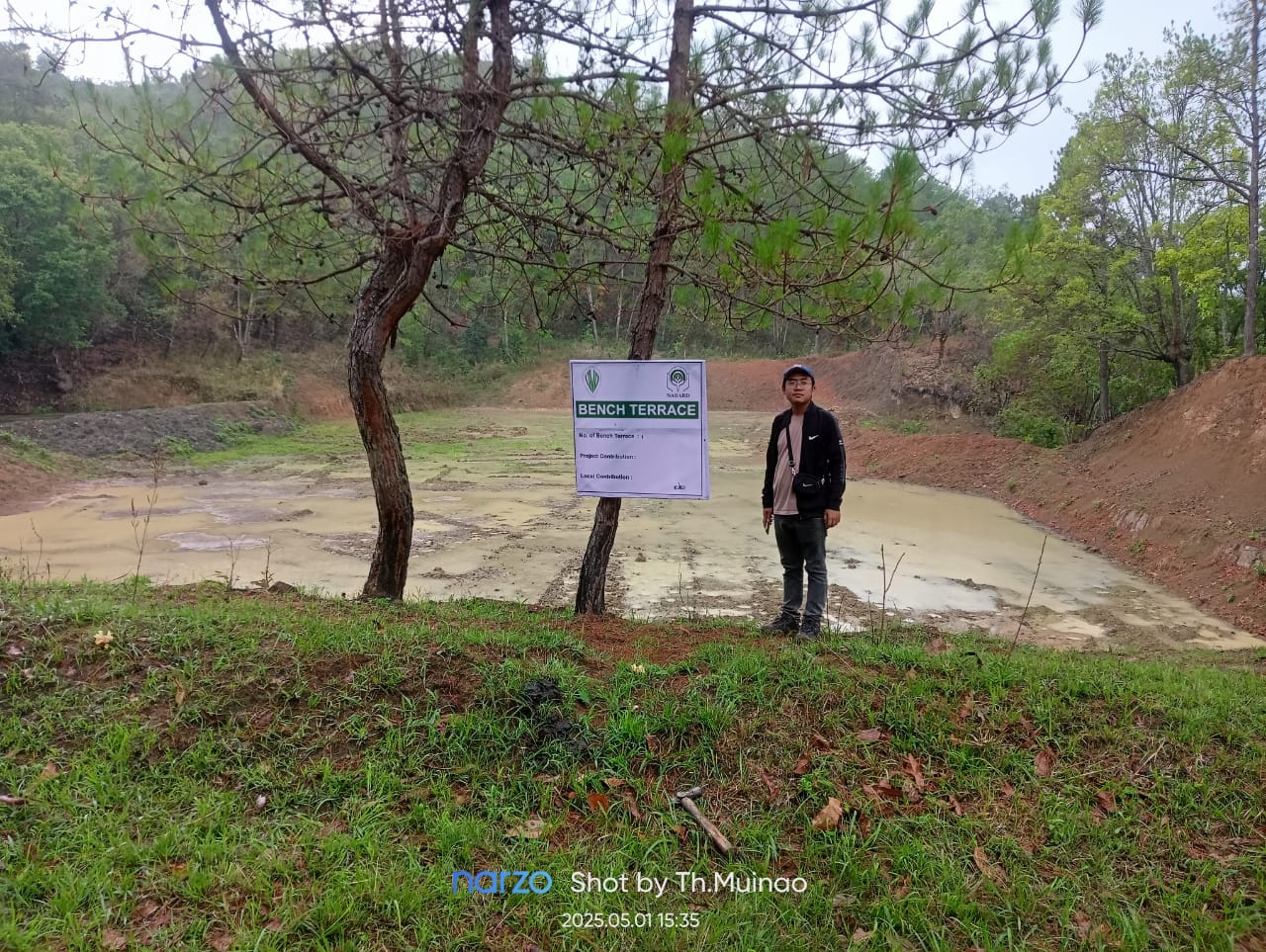
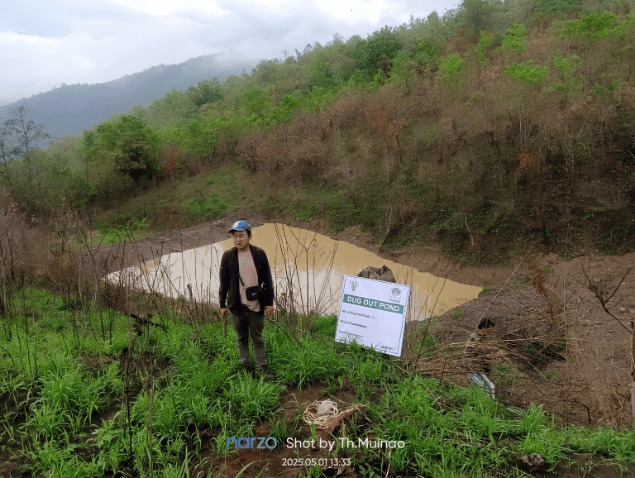
VVD supports construction of water conservation structures including water conservation chambers, check dams and recharge pits.
Drinking-water distribution systems also help improve water availability and strengthen resilience during dry seasons.
 03
Community Protocols
VVD supports communities in drafting and developing protocols and village-level regulations for forests, water resources, grazing lands and common property resources.
These mechanisms strengthen collective ownership, accountability and sustainable resource use.
 04
Afforestation & Plantation
Tree plantation activities help restore degraded landscapes, reduce soil erosion and improve biodiversity.
Plantation efforts include Indigenous tree species and economically beneficial plants suited to local ecological conditions.
 05
Resource Mapping
VVD facilitates mapping of natural resources, village boundaries and water recharge zones using participatory methods and GPS.
Mapping helps communities understand local ecological systems, identify degraded areas and develop informed management plans.
 06
Climate Awareness
Community awareness and sensitisation programmes strengthen understanding of environmental challenges and climate change.
These initiatives encourage community stewardship and more sustainable local practices.
Conserving Every Drop. Building Resilience.
Water conservation is central to VVD's natural-resource management work. Communities participate in developing practical solutions for protecting, recharging and managing local water sources.

Local Resources. Local Ownership.
Long-term conservation depends on communities having a meaningful role in deciding how local natural resources are protected and used.
Community protocols and village-level regulations help establish shared responsibilities for forests, water, grazing lands and other common property resources.
Resources Protected. Resilience Strengthened.
Community-led conservation and restoration are improving water security, strengthening natural-resource governance and supporting ecological resilience.
Villages Reached
Climate-change awareness and sensitisation campaigns promoted community understanding of environmental challenges and sustainable practices.
Springs Rejuvenated
Improving water availability and supporting local ecosystems, households and livelihoods.
Villages Supported
Through Natural Resource Management interventions aimed at strengthening environmental sustainability and community resilience.
Trees Planted
Contributing to ecological restoration, biodiversity conservation and climate-change mitigation.
Enhanced access to safe and reliable water sources for rural communities.
Water conservation, springshed development and community-based management have strengthened drinking-water security and resilience during dry periods.
Partnerships for Ecological Resilience.
Springshed Based Watershed Development Project
Supporting springshed and watershed-based approaches to improve water security and strengthen natural-resource resilience.
Community Capacitation for Livelihood, Natural Resource Management and Women Empowerment
An integrated programme connecting community capacity, sustainable livelihoods, natural-resource management and women's empowerment.
Enabling Self Help Initiation through Identified Livelihood Activities and Increasing Water Security
Strengthening community resilience through livelihood support and improved water security.
Protect Natural Resources. Strengthen Rural Communities.
Partner with VVD to strengthen community-led conservation, water security, ecosystem restoration and climate resilience across Ukhrul and Kamjong.